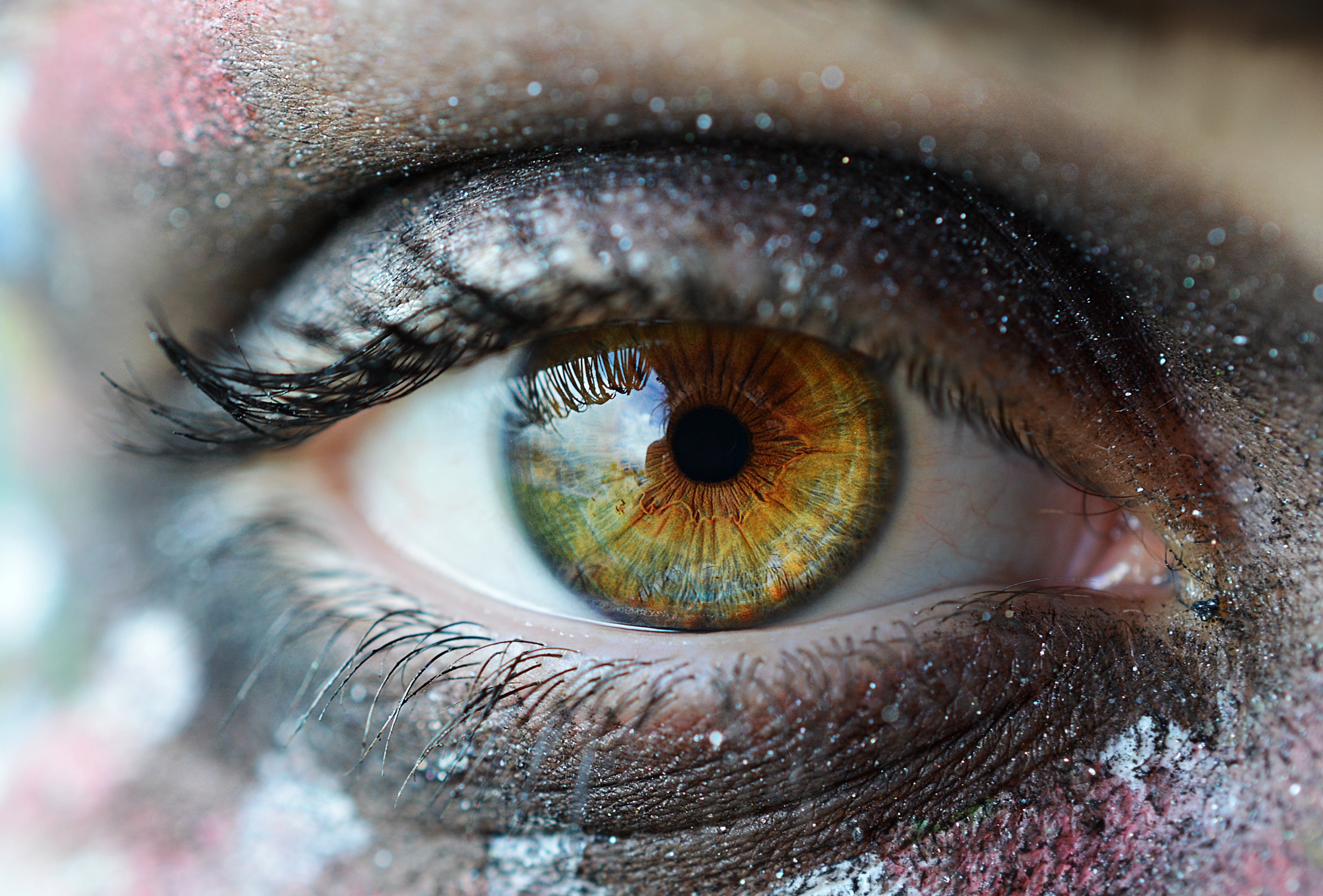
There is a proverb that says, “The eyes are the window to the soul.” It means that even without speaking, the expression in one’s eyes and the direction of one’s gaze can convey emotions just as well as, or even better than words. However, our eyes don’t just reflect our emotions. They also reveal the state of our physical health.
Diabetes is a classic example of this. A report from 2018 indicates that ophthalmologists were the first to identify diabetes-related eye findings in more than 300,000 patients who were unaware that they had prediabetes or diabetes. When blood sugar levels fluctuate significantly, the curvature and shape of the eye’s lens may change, causing blurred vision until blood sugar levels stabilize. If you dismiss this as mere eye strain and ignore it, high blood sugar can cause fluid to leak deep within the eye, leading to swelling of the blood vessels and the formation of abnormal new blood vessels. If the condition progresses to this stage, it can lead to vision loss or, in the worst-case scenario, blindness. Bleeding or leakage from the tiny blood vessels in the retina begins silently, even before the person notices any symptoms.
Furthermore, eye exams can detect more than just diabetes. They can also reveal more serious illnesses that standard blood tests might miss.
Let me tell you about a 14-year-old boy. Since everyone in his family had poor eyesight and many of them suffered from migraines, his complaints of headaches were dismissed as “just the usual thing.” At one point, an ophthalmologist recommended taking fundus photographs, but her mother didn’t think it was necessary and reportedly agreed only reluctantly. However, the test results revealed swelling of the optic nerve, and he was diagnosed with “pseudotumor cerebri (idiopathic increased intracranial pressure).” It’s not cancer, but if left untreated, it can be dangerous. This clarified the cause of his persistent headache, and treatment brought his eye pressure back to normal. Swelling of the optic nerve does not show up at all in blood tests. It was a sign that could only be seen with the naked eye.
Autoimmune Diseases That Are Hard to Detect Through Blood Tests
Eye exams can also provide clues in the diagnosis of autoimmune diseases.
Blood tests check for antinuclear antibodies (ANA), anti-SS-A/SS-B antibodies, rheumatoid factor, and markers of inflammation (CRP and erythrocyte sedimentation rate). While all of these are important clues, they also have their limitations. In some cases, even when a person has a disease, no antibodies are produced; conversely, even healthy people may test positive for antinuclear antibodies at low levels. In other words, a positive test result does not necessarily mean you are sick. Furthermore, symptoms may sometimes begin before antibodies appear.
A condition that fits this description well is Sjögren’s syndrome. Because this disease causes the immune system to attack the tear glands and salivary glands, persistent dry eyes and dry mouth are often the first symptoms, and sometimes the only ones for years. It is not uncommon for patients to visit an ophthalmologist because of “dry eyes,” only to realize for the first time that “this isn’t just dry eyes, there may be an underlying autoimmune disease.”
Ankylosing spondylitis (a group of diseases associated with the HLA-B27 genetic predisposition) is also known for presenting with eye symptoms first. It’s called acute anterior uveitis (iritis), and it causes repeated episodes in which one eye suddenly becomes red and painful, and the patient experiences sensitivity to light and blurred vision. This eye inflammation can sometimes appear years before lower back or back pain, and it is typical for an ophthalmologist who observes recurrent uveitis in a young patient to consider ordering an HLA-B27 test or referring the patient to a specialist.
Multiple sclerosis is another classic example of a condition that is difficult to detect through blood tests. Optic neuritis (inflammation of the optic nerve) is often the first symptom, manifesting as decreased vision in one eye, pain behind the eye when moving it, and dulled color perception. This disease cannot be definitively diagnosed through autoantibody testing; an MRI and neurological findings are required for diagnosis. Eye symptoms appear before systemic neurological symptoms, leading to further diagnostic testing. This is also a common course of events.
This isn’t a “story about someone special”
You might have thought that the examples given so far were “rare cases that don’t apply to me.” You might have thought, “If I just get a blood test, I don’t need to go out of my way to see an ophthalmologist, do I?” However, these two tests are looking at different things to begin with.
Blood tests measure the causes and factors that damage blood vessels. Blood glucose levels, HbA1c, LDL cholesterol, triglycerides, indicators of kidney function, and inflammation markers—these all provide numerical data on “how many factors are causing damage to the blood vessels.” On the other hand, a fundus examination reveals the actual extent of vascular damage caused by these factors. Narrowed retinal arteries, thickened blood vessel walls, bleeding, and reduced blood flow. These are the “traces of actual damage” left on the blood vessels by years of high blood pressure and diabetes, which can be observed directly with the naked eye while the patient is still alive.
To put it another way, a blood test is like checking “to what extent your home has the conditions that lead to moisture and termite infestations.” A fundus examination is like looking directly at “just how badly the support beams are actually damaged.” Some people have all the risk factors but their blood vessels are still healthy, while others have relatively normal test results but their blood vessels are already starting to show signs of damage. That’s why it’s only by looking at both that you can get a comprehensive picture of your body’s condition.
If it’s been a while since you’ve seen an eye doctor, please take this opportunity to find a doctor you trust and get a thorough examination. After sharing details about your lifestyle and any concerns you may have, they will examine you to assess your physical condition. This is a solid first step toward understanding your health, something that numbers alone can’t tell you.
Reference:
- https://www.aoa.org/healthy-eyes/whats-a-doctor-of-optometry
- https://www.aoa.org/AOA/Documents/Advocacy/HPI/HPI%20Timing%20into%20Comprehensive%20Optometry%20Eye%20Examination%20_Diabetes.pdf
- https://www.aao.org/eyenet/article/diagnosis-idiopathic-intracranial-hypertension
- https://www.aao.org/eyenet/article/understanding-managing-sjogren-syndrome-dry-eye
- https://pmc.ncbi.nlm.nih.gov/articles/PMC5295357/
- https://www.ahajournals.org/doi/10.1161/HYPERTENSIONAHA.113.01414


