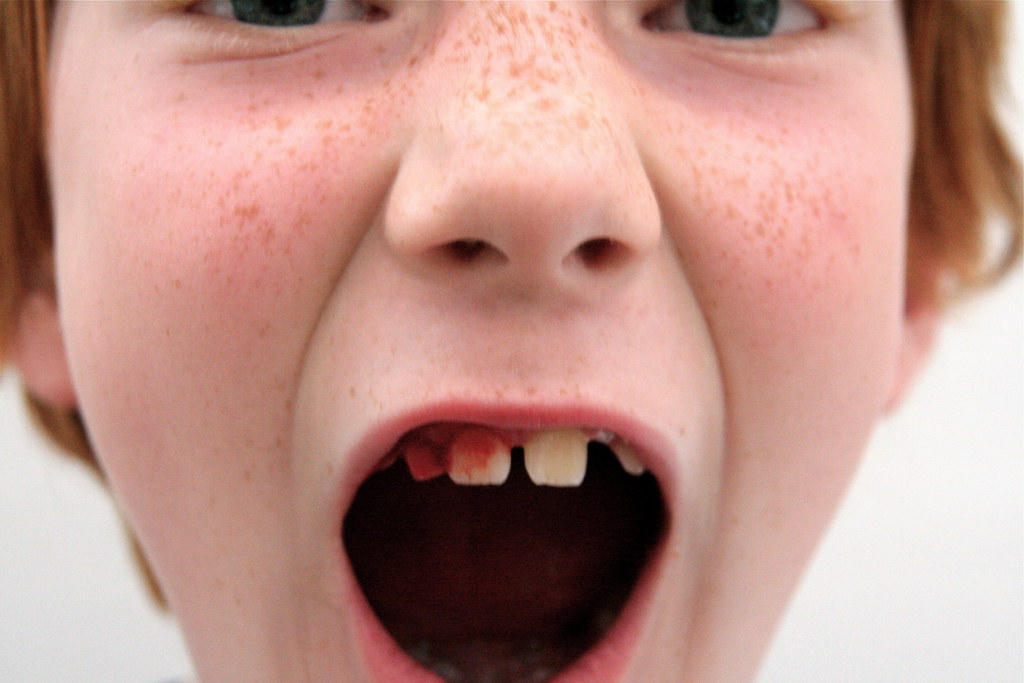
Dental health is really important, isn’t it? When your teeth become weak or you experience pain from cavities, you can’t chew your food properly, which can lead to indigestion. My mother-in-law had to have most of her back teeth extracted due to cavities, and she is about to begin implant treatment. It really breaks my heart to see someone unable to enjoy their favorite meals the way they’d like to. When I look around, I see that there are quite a few people struggling with dental issues.
It is said that many people who suffer from cavities or gum disease also have various systemic health conditions. Numerous studies have been published on the relationship between periodontal disease and cardiovascular disease in particular, and research into the link between cholesterol levels and periodontal disease is also underway. And finally, research findings have been published showing that dental health during childhood has a significant impact on physical health in adulthood.
A groundbreaking study tracking over 560,000 people for decades reveals shocking findings
A study published this month in the International Journal of Cardiology, titled “Oral Health in Childhood Is Associated with the Incidence of Atherosclerotic Cardiovascular Disease in Adulthood,” can truly be called groundbreaking due to its scale—it involved a decades-long follow-up study of more than 568,000 children in Denmark. This study has revealed a statistically significant correlation between dental problems in childhood and severe cardiovascular disease in adulthood.
According to a study led by Dr. Nikolin Naigard, it has been found that dental health in childhood is a key indicator for predicting heart health 30 to 50 years later. Specifically, children who frequently had cavities are believed to have up to a 45% higher risk of suffering a heart attack or stroke in adulthood. In addition, persistent gingivitis during childhood was found to be associated with a 41% increased risk of coronary artery disease. Researchers speculate that chronic oral infections during childhood may “program” the immune system’s inflammatory response, thereby increasing the likelihood of developing atherosclerosis later in life.
Another Surprising Link: Gingivitis and Type 2 Diabetes
A parallel study (2026) conducted by the same research team at the University of Copenhagen found an even stronger link between oral hygiene in childhood and metabolic health. It found that children who have suffered from severe gingivitis are 87% more likely to develop type 2 diabetes as adults. It is believed that the mechanism behind this involves the chronic presence of oral bacteria triggering mild systemic inflammation, which may lead to insulin resistance over the long term.
If the condition of your mouth as a child could affect your health decades later—doesn’t that make daily brushing seem like a whole different story?
4 Tips for Maintaining Oral Health
Recent research has consistently shown that oral health is closely linked to overall health. Whether you’re a child under 21 or an adult, please keep the following in mind to maintain your oral health.
1. Avoid Fluoride: While dentists often recommend fluoride toothpaste and mouthwash to prevent cavities, in the United States, fluoride is added to tap water, so excessive fluoride intake can actually be counterproductive. If fluoride concentrations become too high during the formation of enamel, the function of the proteins that aid in mineral crystallization is impaired. As a result, the enamel becomes deficient in minerals and brittle, making teeth more prone to chipping or breaking rather than becoming stronger. In severe cases, brown stains or pits (fluorosis) may develop.
2. Support your antioxidant defense system: Be sure to actively incorporate foods rich in antioxidant nutrients such as lycopene, vitamin C (essential for collagen formation in the gums), vitamin E (which protects cell membranes from oxidative damage), coenzyme Q10 (which helps reduce gum inflammation and bleeding), flavonoids, polyphenols, selenium, and magnesium.
3. Cut back on processed foods: Sticky sweets such as hard candies, gummies, caramels, and toffees, as well as dried fruit, soda, sports drinks, and potato chips, are prime examples of foods that can easily lead to cavities and gum disease. Limiting your intake of these foods as much as possible is the first step in protecting your teeth.
4. Try oil pulling: While traditional mouthwashes such as chlorhexidine are highly effective at killing bacteria, they can remove not only harmful bacteria but also beneficial bacteria that are essential to the oral environment. Several studies recommend using virgin or cold-pressed coconut oil, which has the highest lauric acid content. Use it just like regular mouthwash, but leave it in for a longer period of time—about 10 to 15 minutes. Consistent use is believed to help prevent gum disease.
Taking care of your (or your child) oral health is an investment in your future. Small daily habits could help protect your heart and blood vessels decades from now. Please make a conscious effort to start today.
Reference:
- https://the-probe.co.uk/blog/2026/01/oral-health-and-its-impact-on-ldl/#:~:text=As%20is%20often%20the%20case,direct%20influence%20on%20issues%20elsewhere.
- https://www.bridgestreetdentalsurgery.co.uk/post/the-surprising-link-how-cholesterol-affects-your-oral-health#:~:text=So%2C%20what%20does%20this%20have,good’%20(HDL)%20cholesterol
- https://www.nduclinic.com/blog/2024/11/19/the-connection-between-ldl-cholesterol-and-bone-healing-in-dental-implants#:~:text=LDL%20and%20Osseointegration%3A%20Hindering%20Implant,to%20interfere%20with%20this%20process
- https://pmc.ncbi.nlm.nih.gov/articles/PMC11059608/
- https://www.inflammationstudy.com/posts/the-hidden-connection-how-your-gum-health-affects-your-cholesterol
- https://www.efp.org/press-media/study-links-poor-oral-health-to-chronic-diseases/#:~:text=Vienna%2C%2012%20May%202025%20%2D%20A,a%20state%20known%20as%20multimorbidity
- https://www.ahajournals.org/doi/10.1161/CIR.0000000000001390
- https://www.powershealth.org/about-us/newsroom/health-library/2026/03/11/why-childhood-cavities-may-predict-adult-heart-disease#:~:text=Nygaard%20and%20her%20team%20found,had%20a%2019%25%20higher%20incidence
- https://www.internationaljournalofcardiology.com/article/S0167-5273(25)01194-5/fulltext

 Your Body, Your Health, Your Life